Growing up you’ve probably have heard that milk and dairy is best for strong bones. End of story. Is it really just that simple? Yes, calcium is a component to building healthy bones, but there are many more options besides a glass of the white stuff, and they come with additional benefits.
First, what makes a food ideal for your joints and bones? Look for a diet rich in Vitamin D, Magnesium, Vitamin K and, of course, Calcium, plus other components to reduce inflammation of joint pain. Here are our top choices to add to your daily meals and the nutrients they provide.
KALE
A true superfood, kale is full of high levels of Vitamin K and Calcium, plus the added benefit of anti-oxidants.
SALMON
Not only is salmon rich in Vitamin D, but also Omega-3 fatty acids to reduce inflammation and protein to support muscle building to protect bones.
EDAMAME
Now readily available at supermarkets everywhere, edamame is the perfect snack to up your calcium, protein and anti-oxidant consumption.
BERRIES
Blueberries, raspberries, blackberries are rich in anti-oxidants and have anti-inflammatory properties.
TOFU
A great vegan option, firm, calcium-set tofu is loaded with protein, magnesium and calcium.
With these superfoods in your diet, plus regular exercise, you can help build healthy bones from the inside out!
Learn more about Northeast Orthopedics and Sports Medicine and our providers, explore our website or contact us for a consultation.
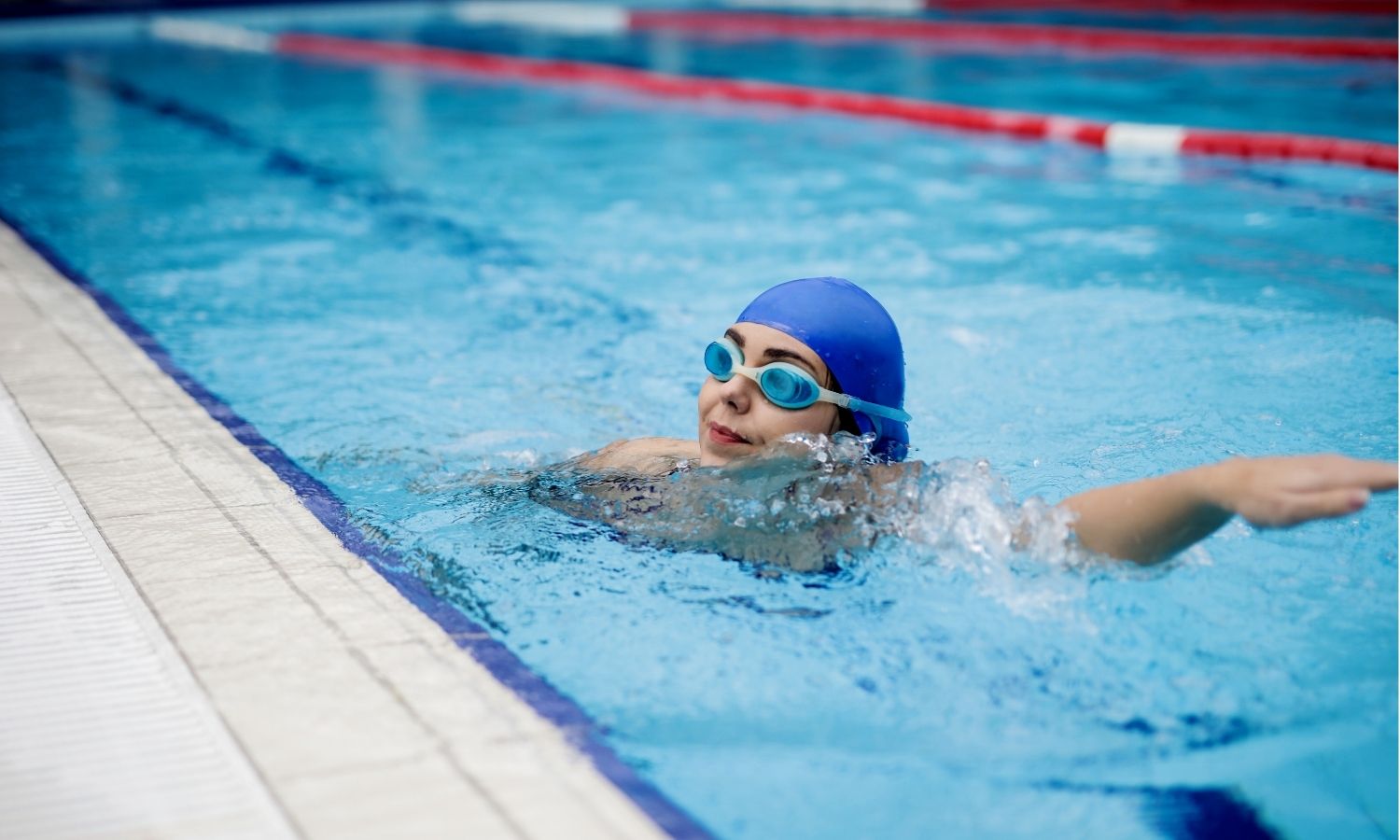
The way we workout is a personal choice. Some people love running out on an open path, others can bike all day long, some swear by their Pilates class, while Zumba may be the first choice for others. Since it’s a preference, is it possible to crown the best exercise out there? We say ‘yes!’ and that the #1 choice for physical exercise is… swimming! Let us tell you why and we’re sure you’ll agree.
Open for All Fitness Levels
Aside from knowing how, there is no barrier of entry to begin a swimming regimen. Since it’s a self-paced exercise, you control the level of difficulty, speed and effort according to your ability.
Low Impact
Exercises on dry land can be hard on your joints. Think about the shock your ankles, knees and hips have to absorb each time you step while running. In a pool, there is no impact on your joints and, in fact, the buoyancy the water provides lightens your body weight load, allowing you to carry yourself easier and further.
Muscle Building
The resistance provided by the water is just enough to build muscle strength. Stronger bodies lead to healthier bones and better balance, reducing the risk of falls and fractures. You can also increase intensity by using webbed aquatic gloves.
Cardiovascular Strength
Swimming is not only a muscle building exercise, but also stellar for heart health. As you build on endurance during your swims, your heart rate increases building on your cardiovascular strength. A stronger heart means less fatigue during daily activities and less risk of cardiac conditions.
Little to No Equipment
Once you have access to a pool, what more do you actually need – just a suit and goggles. That’s it! No special shoes, no fancy bike or other contraptions.
So, have we convinced you that swimming is the #1 exercise choice? Even if not, we hope you’ll consider adding some laps to your fitness regimen for all the reasons above. If you do, let us know! We’d love to hear your thoughts.
Leading a healthy lifestyle is important for so many countless reasons. Living a long life is a priority, of course, but living a life of quality where you can move freely as you’d like is equally important. That’s why it’s important to discuss the impact of body weight on your joints, but first, let’s talk about BMI.
Body Mass Index (BMI)
Part of staying vital is maintaining a healthy Body Mass Index (BMI). Studies show that BMI has great implications on joint health, but what is BMI?
BMI is a calculation of your height and weight. BMI does not diagnosis the health of a person, but will identify categories that increase the risk of health issues. Below is a table of BMI weight status categories and you can use this tool to calculate yours: link to BMI calculator.
BMI
Weight Status
Under 18.5
Underweight
18.5 – 24.9
Healthy Weight
25.0 – 29.9
Overweight
30.0 and Above
Obesity
The Impact of Obesity on Joints
When BMI is in the obesity weight status category, it is more common to see the following associated joint issues.
Pressure on Knees and Hips
When you think about the function of our load-bearing joints (our knees and hips), you realize the actual load they bear when lifting or moving our bodies. In fact, for every 10 pounds of extra weight you carry, your joints take on 30 to 40 pounds of force. Managing a healthy weight and BMI removes this unnecessary additional stress on your knees and hips.
Inflammation and Osteoarthritis
Obesity results in chronic inflammation in the body and constant inflammation makes the body more susceptible to osteoarthritis – even in non-load bearing joints like the wrist. This is when the smooth cartilage protecting the joint has worn away, causing pain and stiffness. As the wear on the joint continues, bone rubs on bone creating the need for medical intervention, either by non-surgical or surgical methods.
Increased Risks of Surgery
Not only does obesity increase the risk of osteoarthritis, the progression of the disease is faster than those with healthy BMI’s. Thus the need for surgical solutions is greater. There is a greater risk for complications from surgery for patients with BMI’s over 30 than those in a healthy range. Your surgeon will always discuss your particular risks and expected outcomes during any pre-surgical consultations.
Prevention
Helping our patients stay active is our mission at NEOSM, and we love to help provide preventative tips to keep you mobile. By maintaining a healthy BMI, the issues above can be better avoided. To do so, consistently eating a diet full of nutrient-rich fruit, vegetables and lean proteins is a priority. It is also important to live an active lifestyle, whatever that may mean to you. It can be a walk around the block each day or a tennis match with a friend. The more you move the more you build upon your overall health.
And as always, the specialists at NEOSM are here to guide you however you need. If you’d like to schedule a consultation, please feel free to call one of our nine offices most convenient to you.
In order to avoid injury in a sport, it’s important to have the right gear. Football players wear pads right? And softball players wear batting helmets? Well almost all sports require the right athletic shoe. Injuries related to inadequate foot gear can range from blisters and ankle issues to knee and hip pain. But how do you go about finding the right shoe? Here are tips to take with you on your shopping trip for the perfect gear for your feet.
1 – Find a Specialty Store
The first step in finding the right shoe is finding a shop that specializes in the activity you are looking to do so you can benefit from their expertise. For example, if you are looking for a running shoe, your best bet is visiting a running store. The sales professionals are not only more knowledgeable on the best fit for you, but the stores themselves usually have a treadmill to test out the sneakers.
2 – Save Your Trip for the End of the Day
If you were to try new shoes on first thing in the morning, they’ll likely be uncomfortable by nighttime. That’s because, as the day wears on, our feet naturally swell. So the end of the day the best time for that shopping trip for new shoes.
3 – Come Prepared
It seems simple, but many people forget this step: bring the same socks you would normally wear with your athletic shoe. Any sock thinner or thicker that what you plan to regularly wear is going to affect your fit.
4 – Check Your Fit
Once you’ve arrived to the shop and start trying on athletic shoes, how do you know if it’s the right fit? Think Toe, Heel, Feet. Look for ½ an inch of space between your longest toe and the front of the shoe, with room enough to wiggle your toes. Take some steps and make sure your heel isn’t slipping in and out of the shoe at all, otherwise you can count on blisters. And make sure to try the shoes on both feet as many of us have differences in width and even length between our left and our right.
5 – Take Them for a Spin
Take your time moving around the shop to test how comfortable the athletic shoes are. Try to mimic some of the moves you’ll be doing, like jumping for basketball. Understand the return policy of the store as well, as you may have the opportunity to test your new shoes outside the store. Some specialty stores have generous policies, allowing you to return used sneakers if they don’t work out within a month.
With these tips in mind, we’re sure you’ll find the perfect shoe to match your activity and avoid unnecessary injuries. Have more questions? Feel free to contact us at monteortho.org/contact-us.
If you follow sports, baseball in particular, you may have heard of a star player being out for Tommy John surgery. No, there isn’t a part of the elbow named “Tommy John” – the surgery is a reconstruction of the ulnar collateral ligament (UCL) and a baseball player named Tommy John was the first to undergo the procedure successfully, thus the common name. So what causes the injury that necessitates this type of operation? To answer, it’s important to understand the anatomy of the elbow and the function of the UCL.
Source: OrthoInfo
As shown in the diagram, the ulnar collateral ligament (UCL) attaches the upper arm (humerus) to the forearm (ulna). The UCL stabilizes movement of the elbow when throwing, but the more stress it endures through repetitive motion or force, the greater the risk of the ligament deteriorating. That is why UCL tears are particularly common in baseball pitchers, who contort their elbows in a series of different angles during a single hard throw, then repeat these motions over and over.
Symptoms
There are different signs that you may have an injury of the UCL. These include:
A sudden ‘pop’ sensation in your elbow
Pain when in a throwing motion
Limited ability to throw
Tingling in the hand or fingers
Weakened grip strength
Treatment
Once non-surgical options have been exhausted, like physical therapy, rest or medication, your orthopedic may recommend surgery. Thankfully, since Tommy John first had his surgery, countless athletes have benefited from UCL repair or reconstruction surgery to get them back on the mound. During the operation, an orthopedic surgeon will either repair the tear in the ligament or reconstruct using a donor tendon from elsewhere in the body to graft a new ligament. Rates of return to sports 9 months after surgery are high for this type of treatment – 85%-95% of throwing athletes returning.
If you are experiencing any of the symptoms outlined above, remember, ignoring the issue can lead to further complications. The team of specialists at NEOSM are here to help you overcome your injuries and make the most out of life. Reach out to us anytime for a consultation.
As part of our new partnership with Montefiore, Northeast Orthopedics and Sports Medicine (NEOSM) is excited to announce the development of a new Orthopedic Center of Excellence, a state-of-art facility that will transform orthopedic care in our region. The facility will include clinical offices, an ambulatory surgery center, advance imaging, and physical and occupation therapy services all under one roof designed with patients, physicians, providers and staff in mind. Aspect Health planned their design for Montefiore Orthopedics & Montefiore Nyack Hospital based on the extensive research by Gensler Research Institute in conjunction with NEOSM.
Photo credit: Terrence Lynch
As stated by Dr. Jason Fond, NEOSM Orthopedic Surgeon and Director of Orthopedic Surgery at Montefiore Nyack Hospital, at the recent groundbreaking, “This Center will allow NEOSM surgeons and practitioners to bring the best orthopedic care you can get right here to Rockland and beyond.” We’re excited for this next big step in continuing to advance the care we provide to our patients and to our community.
Learn more about the Center of Excellence in Aspect Health’s press release below.
Aspect Health, Montefiore Orthopedics, and Montefiore Nyack Hospital Break Ground on New Orthopedic Center of Excellence
Facility to Bring NYC Quality Care to Hudson Valley with a Research-Based Design to Improve Patient and PhysicianHealthcare Experience
WESTPORT, CT AND WEST NYACK, NY. (March 18, 2022) – Aspect Health, a real estate advisor, investor and developer who specializes in the emerging field of “healthcare hospitality,” today announces the groundbreaking of a newOrthopedic Center of Excellence. The development team designed the Center in collaboration with Montefiore Orthopedics, Montefiore Nyack Hospital, Gensler and Gensler Research Institute to bring an unrivaled standard of healthcare to the Hudson Valley region.
“We are proud to bring this new facility to the region and deliver the quality and standard of care that the community expects from the hospitals in New York City,” said Dr. Mark Geller, President and CEO Montefiore Nyack. “We listened to the community’s needs, and we answered – this new Center will transform the healthcare experience in the region.”
Aspect Health and Gensler planned and designed the new Center based on the two-year long Gensler Research Institute Gensler Outpatient Experience Index (OPExI) and a proprietary study in conjunction with Northeast Orthopedics & Sports Medicine (NEOSM) that sought to understand local hospital performance and care delivery needs. From pre‑visit expectations to post-visit sentiments, the patient journey and physician experience is interwoven with the building site, programming and design. The result is a new, innovative Musculoskeletal Center of Excellence with a holistic, best-in-class ambulatory surgery center, advanced imaging center, complete with physical and occupational therapy services.
“The momentum of collaboration between the surgeons of NEOSM, Montefiore Orthopedic Surgery, Montefiore Nyack Hospital, and Aspect Health enabled us to significantly cut the typical development timeline and set the foundation for a transformative development that is changing the future of healthcare delivery,” said Dr. Neil Cobelli, Professor and University Chairman, Montefiore Department of Orthopedic Surgery and Albert Einstein College of Medicine.“
Aspect Health began planning with both Montefiore Orthopedics and Montefiore Nyack Hospital in 2019 to understand the future-focused strategy, need to optimize facilities and the priority to deliver a best-in-class healthcare experience for the patient and physician population in the region. Gensler’s OPExI helped inform a progressive planning approach, coupled with learnings from the pandemic, that incorporates new concepts including concierge services, touchless gateways, advanced air systems, digital integration of patient data, lounge area amenities, calming and inviting spaces, and onstage and offstage layout to provide caregivers the opportunity to not only expedite patient care but also collaborate, decompress, and reset. Additionally, the Center will include advanced robotic technology, orthopedic specialized high field open MRI, and the latest Digital Radiography (DR) and Advanced Fluoroscopy.
The new Center of Excellence is being built by KBE Building and is scheduled to open summer of 2023. It will be located at 3 Centerock Road in West Nyack, NY, about 3 miles west of the hospital’s main facility. Upon completion, NEOSM, which recently joined the Montefiore Orthopedics team, will move into the new facility and offer its patients a new standard of advanced musculoskeletal care.
“Between this groundbreaking OPExI data, the ever-changing healthcare landscape and learnings from the Pandemic, we are transforming healthcare to minimize caregiver burnout and many other stressors that hospitals experience,” said Chris Smith, CEO of Aspect Health. Instead, we are applying evidence-based research to inform development, design, location, interactions and services to place front and center equity of care, patient experience, and joy in work for our care providers.”
Smartphones. They’re an incredible invention. They bring us connection to others and to information. They are our alarm clocks, calendars, phone books and more. They definitely make life easier, but with all good things there’s a bit of catch.
Image Credit: Veritas Health
You probably have already experienced it – the need to roll your neck or your shoulders to relieve tightness after looking down at your device for a long time. That gaze down produces undo stress on the spine and neck. In fact, bending your head down 45-60% can put as much as 60 lbs of force on your upper spine. Your neck can not sustain that amount of pressure for long, and that’s when problems can occur – commonly called “text neck syndrome” – which can lead to prolonged spine damage. An evaluation with one of the spine specialists at NEOSM can provide a medical diagnosis and here are symptoms to look out for:
Symptoms of Text Neck Syndrome
Pain in the neck, upper back or shoulders
This pain can be localized to one specific spot or more broad in the overall area. Pain can also radiate down the spine or arms.
Change in posture
A shift in your posture with head forward (ears not aligned over the shoulders) or rounded shoulders. This can even lead to balance issues.
Pain when Looking Down
Increased pain when gazing down to use your device
Headache
Tension headaches from neck pain are common
Treatment
First step in treating text neck syndrome is to undo the habits that caused the condition to begin with. Raise the phone up to eye level to relieve the pressure on your spine and take breaks from use. Stretch out your neck, shoulder and upper back to ease the muscles. Be conscious of your posture and straighten out when you feel a forward tilt of your head. In addition, to ease pain try sleeping with a cervical pillow to provide additional support. Add neck, shoulder and upper back strengthening exercises to your workouts.
As mentioned, it is best to consult with a spine specialist for an examination and to diagnosis any causes of pain. The team at Northeast Orthopedics and Sports Medicine is here to ensure you receive the highest level of care and attention.
Inspiration is all around us. Watching the winter Olympics, there’s plenty of athletic inspiration to feast our eyes on. Yes, we may not have the time or natural talent to compete at the highest level of sport. But what we’ll find when taking a look at the training habits of the elite athlete, is that there’s a lot we can apply to our everyday physical goals.
TRAINING LIKE AN ATHLETE
Training Team
The professional athlete doesn’t train alone. There’s a team in place to help advise, encourage and support the athlete. Build your team! Consult with your primary physician before you start a new exercise program and stay current with your physicals. Stay on top of unusual aches and pains before they progress into serious issues by reaching out to one of the skilled specialists at Northeast Orthopedics. Bring a friend along to your workouts to help you stay accountable. Reach out to others with the same athletic goals as you on social media and join a community. Your team is out there waiting to support your journey.
Diet/Hydration
When you’re an athlete in training, your body needs a lot of fuel. That’s why diet is so important. Fuel your body with enough carbs to provide energy and protein to support muscle growth. And don’t forget the importance of hydration. Aim for drinking half your body weight in ounces per day. If you’re new to consuming a lot of water, start at a tolerable level and build up your intake each week.
Strength Training
You may think strength training is only for sports that require a lot of power, but building muscle strength is key for endurance sports as well. Strong muscles create an overall structure that is less prone to injury. For the non-professional athlete, a strong frame makes you less vulnerable to falls and related injuries.
Rest/Recovery
Every professional athlete knows the importance of rest/recovery days. Taking a break from intense training allows the body the opportunity to heal and make the next training session more effective. At home, rest days can look like a leisure walk instead of a HITT cardio class, or some simple yoga flows rather than hitting the weights hard.
Sleep
We’ve all experienced sleepless nights and the feeling of uselessness the following day. Imagine being sleep deprived and expecting your body to perform at an Olympic level. It’s a recipe for injuries to occur. That’s why top athletes prioritize sleep, and so should you. Restfulness isn’t something your body would like to have, it’s something it needs in order to allow healing and restoration.
Your level of training may not mirror that of an Olympian, but the formula is there for your success. And, as always, the providers of NEOSM are there to support you all the way!
We use cookies to personalize content, ads, and analyze traffic. Consent helps us improve your experience.
We use cookies to personalize content, ads, and analyze traffic. Consent helps us improve your experience.