
What’s the Difference Between a Sprain, Strain, and Fracture?

If you twist your ankle during a run, feel sudden pain in your back after lifting, or suffer a hard fall, it can be difficult to know whether you’re dealing with a sprain, a strain, or a fracture. While these injuries may seem similar, they affect different parts of the body and require different treatments. Understanding the difference can help you take the right next steps toward recovery.

Sprain: Injury to a Ligament

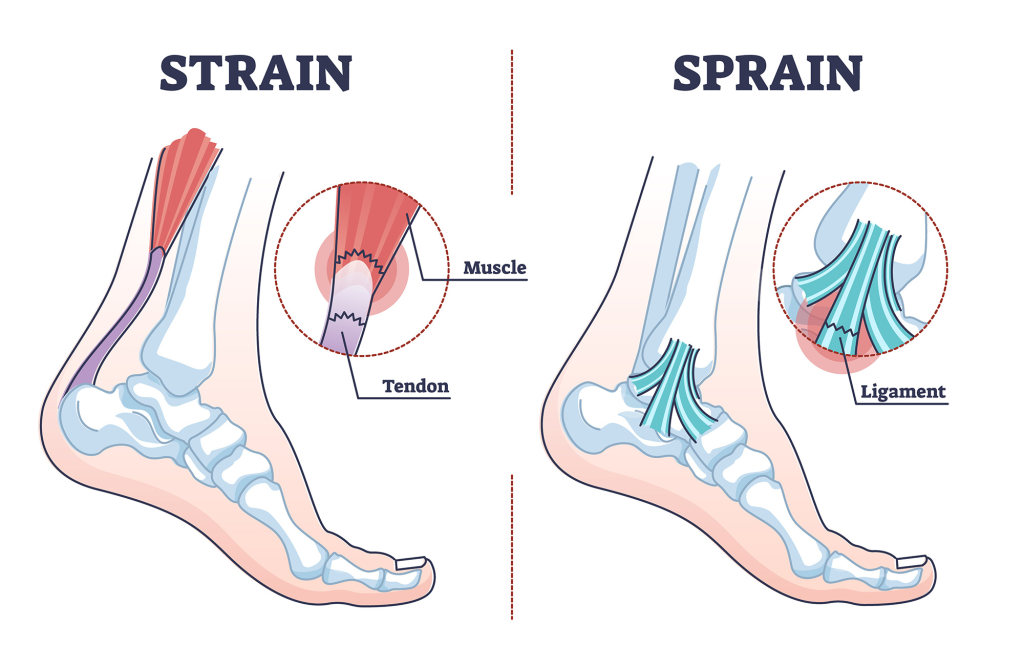
A sprain occurs when a ligament—the tough band of tissue that connects bones—is stretched or torn.

Common causes:

  • Rolling an ankle
  • Falling on an outstretched hand
  • Sudden twists during sports

Symptoms of a sprain:

  • Pain around the joint
  • Swelling and bruising
  • Limited movement or instability

Most common areas: ankle, wrist, knee.
Strain: Injury to a Muscle or Tendon

A strain affects muscles or tendons, the tissues that connect muscles to bones.

Common causes:

  • Overstretching a muscle
  • Lifting something too heavy
  • Repetitive overuse during exercise or work

Symptoms of a strain:

  • Muscle pain or cramping
  • Weakness in the affected area
  • Swelling or spasms
  • Trouble moving the muscle normally

Most common areas: lower back, hamstring, shoulder

Fracture: A Break in the Bone
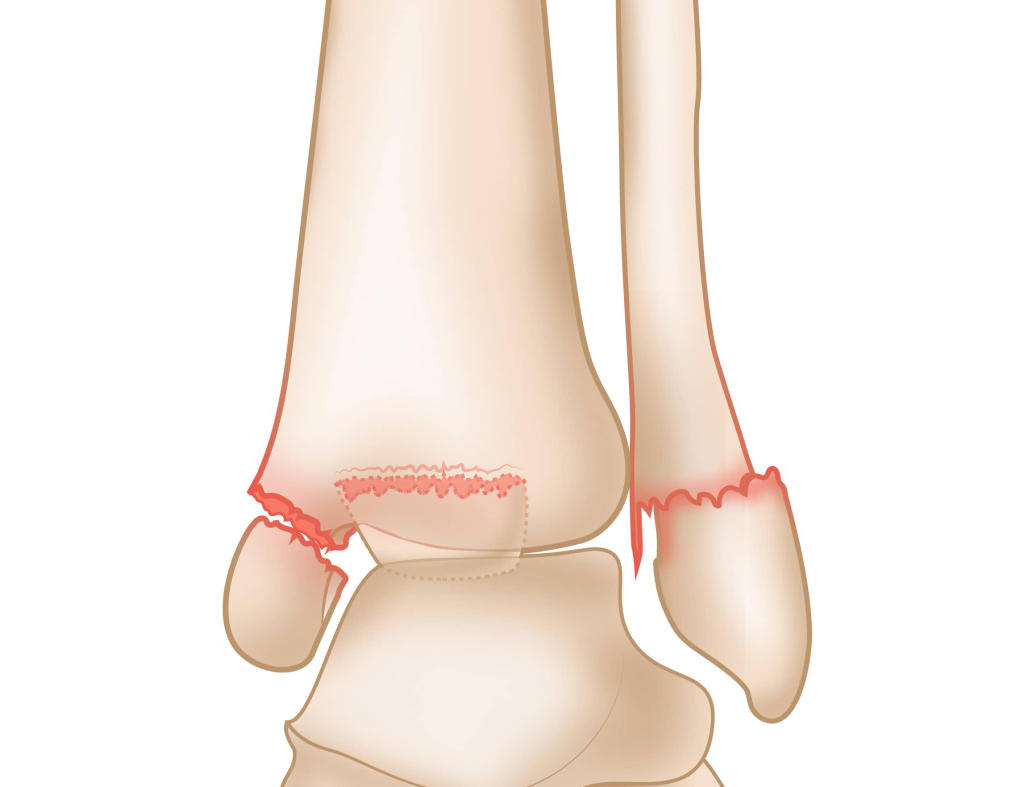
A fracture is a medical term for a broken bone. It can range from a small crack to a complete break.

Common causes:

  • Falls
  • Sports collisions
  • Car accidents
  • Severe twisting injuries

Symptoms of a fracture:

  • Intense, sharp pain
  • Swelling and bruising
  • Visible deformity (bone may look out of place)
  • Inability to bear weight or move the limb

Fractures usually require immediate medical attention.

How to Tell the Difference

While sprains and strains may heal with rest, ice, compression, and elevation (the R.I.C.E. method), fractures often require immobilization or even surgery. Here’s a quick comparison:

InjuryTissue AffectedSymptomsSeverity
SprainLigamentsSwelling, bruising, joint instabilityMild–severe
StrainMuscles or tendonsPain, spasms, weakness, limited movementMild–severe
FractureBoneSharp pain, deformity, inability to moveModerate–severe

When to See an Orthopedic Specialist

Seek professional care if you experience:

  • Severe or worsening pain
  • Inability to put weight on the limb
  • Noticeable deformity
  • Numbness, tingling, or loss of function

An orthopedic specialist can perform X-rays or imaging to determine whether your injury is a sprain, strain, or fracture—and recommend the right treatment for a safe, effective recovery.

Sprains, strains, and fractures share similar symptoms, but they affect different parts of your musculoskeletal system. If you’re unsure about your injury, don’t wait—early diagnosis is key to avoiding long-term complications.

At Montefiore Einstein Orthopedic Surgery, our orthopedic team is here to help you heal and get back to the activities you love. Contact us today to schedule an appointment.

Taking Control: A Practical Guide to Managing Arthritis 

Living with arthritis can feel like a daily balancing act—juggling pain, stiffness, and fatigue while trying to maintain a fulfilling, active life. Whether you’re newly diagnosed or have been managing arthritis for years, understanding how to take control of your condition is essential. Here’s a practical guide to help you manage arthritis and improve your quality of life. 

Understand Your Arthritis 

Arthritis isn’t just one disease—it’s a broad term that covers over 100 conditions affecting joints, muscles, and connective tissue. The most common types are: 

  • Osteoarthritis (OA): Degenerative joint disease, often age-related. 
  • Rheumatoid Arthritis (RA): An autoimmune condition that causes joint inflammation. 
  • Psoriatic Arthritis: Related to the skin condition psoriasis. 
  • Gout: Caused by excess uric acid forming crystals in joints. 

Knowing your specific type of arthritis helps tailor your treatment plan more effectively. 

Stay Active—Smartly 

Exercise is crucial, even when joints are stiff or painful. The key is to move without overdoing it: 

  • Low-impact options: Swimming, walking, cycling, and yoga are gentle on joints. 
  • Strength training: Builds muscle to support joints. 
  • Stretching and flexibility exercises: Help maintain range of motion. 

Start slow, listen to your body, and consider working with a physical therapist. 

Eat for Joint Health 

A balanced diet can reduce inflammation and improve energy. Aim for: 

  • Anti-inflammatory foods: Leafy greens, berries, fatty fish (like salmon), nuts, and whole grains. 
  • Limit: Sugar, red meat, and processed foods which can increase inflammation. 
  • Hydration: Drink plenty of water to keep joints lubricated. 

The Mediterranean diet is often recommended for people with arthritis. 

Build a Strong Medical Support Team 

Effective arthritis management often requires a team of specialists who understand the condition from different angles. Three key players in your care may include: 

  • Rheumatologists: These are the frontline experts for most types of arthritis, especially autoimmune forms like rheumatoid or psoriatic arthritis. They’ll guide you through diagnosis, prescribe medications like DMARDs or biologics, and monitor disease progression. 
  • Orthopedic Specialists: If joint damage becomes severe or mobility is significantly affected, an orthopedic surgeon can assess whether treatments like joint injections or surgery (such as joint replacement) are appropriate. They work closely with other specialists to maintain or restore joint function. 
  • Pain Management Professionals: Chronic pain can be overwhelming. Pain management doctors focus on reducing discomfort through a variety of strategies—medications, nerve blocks, injections, or alternative therapies—to help you regain control and improve your quality of life. 

Each of these professionals brings unique expertise. By working collaboratively, they can develop a comprehensive treatment plan tailored to your specific needs. 

Final Thoughts 

Arthritis may change how you move through the world, but it doesn’t have to limit your life. With the right mix of movement, mindset, and medical care, you can take charge of your health and feel empowered in your daily routine. The team here at Montefiore Einstein Orthopedic Surgery is here to help you manage your arthritis care. Contact us to schedule your consultation. 

Arthritis Pain Flaring Up In Summer?

Extreme weather can be brutal to those suffering with arthritis. We’ve written before on how bitter winter cold can affect symptoms, but you may notice summer heat bringing its own troubles to your joints. High temperatures and humidity are typical of summers in the northeast. How do these conditions contribute to increased arthritis pain and what can you do to combat them?

Increased Swelling

With humid weather, many people are naturally prone to swell. This swelling increases pressure on joints and associated pain. To combat swelling, limit time spent outside in hot and humid weather. Try taking a cooler than usual shower to bring down your body temperature if swelling is becoming particularly bothersome.

Hydration

As we sweat in the heat, we lose fluid from our body. Our bodies rely on this fluid for different functions, including lubrication of our joints. So it’s important to replenish our bodies with plenty of water throughout the day. On particularly hot days, double your normal water intake. Set a hydration goal each day to help you stay on track.

Barometric Pressure

Changes in weather throughout the year can have an effect on arthritis. And in the summer, weather can change quickly with a rolling thunderstorm passing by suddenly. Some studies have shown that the barometric pressure in the atmosphere has a connection to joint pain. As pressure drops before a storm, joint and tendons can expand and contract, exasperating existing arthritis symptoms. Once pressure is normalized, you should see some comfort, but during heightened episodes try elevation and icing to relieve pain.

Summer is a time for fun, and we hope with this information, you can make the most of our warm weather days. If your symptoms continue or you’d like to learn more, the joint specialists at Northeast Orthopedics and Sports Medicine are here to help you live your life to the fullest.