
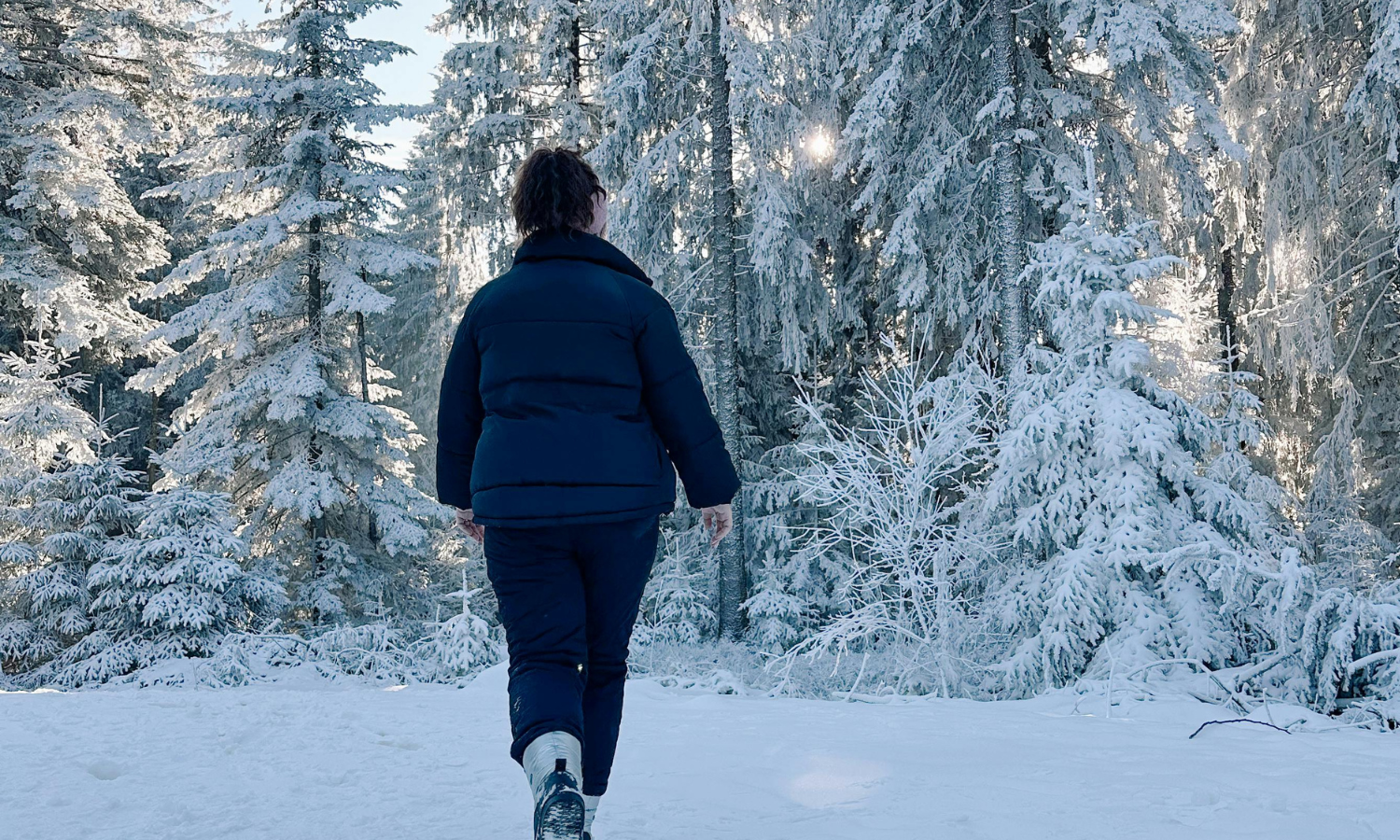
Many people notice their joint pain worsens during colder months, especially in the Northeast. While cold weather does not cause arthritis or joint disease, studies and patient reports suggest that cold, damp weather can increase joint pain and stiffness, particularly in people with existing joint conditions. Commonly affected patients include those with osteoarthritis, rheumatoid arthritis, previous joint injuries and chronic back, hip, or knee pain.
Why Do Joints Hurt More in Cold Weather?
There isn’t one single explanation, but several factors likely contribute:
1. Changes in Barometric Pressure
Drops in air pressure before cold fronts or winter storms can cause tissues around joints to expand slightly, increasing pressure and discomfort in sensitive joints.
2. Muscle and Joint Stiffness
Cold temperatures cause muscles, tendons, and ligaments to tighten, which can reduce flexibility and place added stress on joints.
3. Less Physical Activity
During winter months, people tend to move less. Reduced activity can lead to joint stiffness, muscle weakness, and increased pain when movement resumes.
4. Increased Nerve Sensitivity
Cold weather can heighten nerve sensitivity, making pain signals feel stronger than usual.
Which Joints Are Most Affected in Winter?
Orthopedic specialists most often see increased winter pain in:
- Knees
- Hips
- Hands and fingers
- Shoulders
- Lower back
These joints are either weight-bearing or commonly affected by arthritis and overuse injuries.
How to Relieve Joint Pain in Cold Weather
You can’t change the weather, but you can reduce joint discomfort with these strategies:
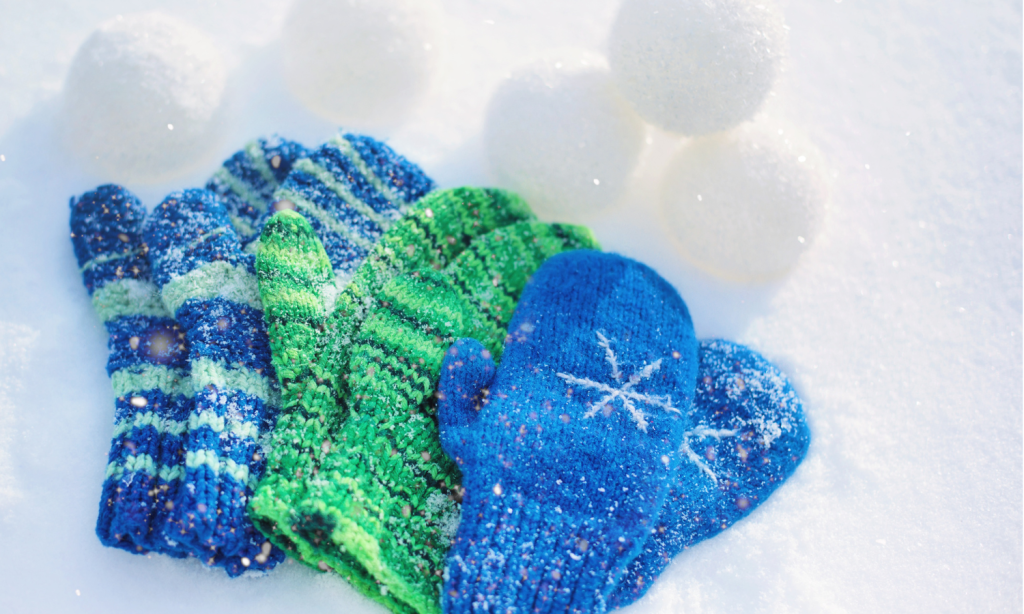
Stay Warm
- Dress in layers
- Wear gloves for hand pain
- Keep joints covered when outdoors
Keep Moving
- Stretch daily
- Engage in low-impact exercise such as walking or stationary cycling
- Continue physical therapy exercises if prescribed
Use Heat Therapy
- Heating pads
- Warm showers or baths
- Heated braces or wraps for knees and shoulders
Protect Joint Health
- Maintain a healthy weight
- Stay hydrated
- Follow arthritis or injury treatment plans
When Should You See an Orthopedic Doctor for Joint Pain?
Schedule an orthopedic evaluation if:
- Joint pain limits daily activities
- Pain lasts longer than a few weeks
- You experience swelling, stiffness, or joint instability
- Winter pain worsens each year
Early evaluation can help identify arthritis, lingering injuries, or other joint conditions—and guide appropriate treatment options, both surgical and non-surgical.
The Bottom Line
Cold weather doesn’t damage your joints, but it can increase pain and stiffness, especially if you already have joint problems. With proper care, movement, and orthopedic guidance, joint pain doesn’t have to control your winter.
If joint pain is affecting your quality of life this season, our orthopedic specialists can help you stay active year-round. Reach out for a consultation today.