4 Common Causes of Summertime Injury

Here in the Northeast, we’re all more active in the hot summer months. With vacations planned and kids out of school, we’re listing the most common causes of injuries so you won’t miss out on any fun this summer.

Swimming Injuries

Swimming is a great way to stay in shape with less stress on your joints, but pool related injuries are all too common in the summer. Slipping on wet pool decks, unsupervised diving, and similar incidents can lead to serious medical consequences. Check out our Pool Safety blog post for details on how to stay safe.

Bicycle Injuries

From kids to adults, more and more bicycle riders are out on the roads once the weather warms up. As a rider it’s imperative to stay alert, keep your bike in shape and wear your helmet. We have all the tips in our Cycling Safety blog post.

Sport-related Injuries

With ideal weather for outdoor sports, like tennis and golf, there comes in increase in related injuries. In addition to sudden injuries like muscle strains or sprains, symptoms from conditions like tennis/golf elbow and osteoarthrtitis may get worse with increased activity. It’s important not to let these signs of injury linger so you have more options for treatment.

Home Maintenance-related Injuries

Spring and summer house maintenance can be rewarding, but could also come with some risks. Traumatic injuries from lawnmowers and other power tools are all too common during the warmer months, as are falls from ladders. Read more on ladder and gardening safety tips in our blog posts.

Just by being aware of these injury risks for summer will allow you to make better decisions as you partake in this active season. And as always, if you need us at NEOSM, our specialists are here to help you all season long.

All About Herniated Disks

You may have heard of or known someone with a herniated disk, but have you ever wondered what exactly the condition means (aside from causing back pain)? We break down all there is to know and what treatment options are available.

Anatomy of the Spine

In order to know what a herniated disk is, it’s important to understand the role of disks in your spine. Your spine is comprised of:

  • Vertebrae – bones stacked upon each other which create a canal to protect the spinal cord.
  • Spinal cord & nerves – part of your nervous system, the spinal cord delivers messages from the brain to the muscles of the body
  • Intervertebral disks – flat and round, these disks are found between the vertebrae. They are flexible and absorb shock from movement like running or walking. They are made of two components: a touch flexible outer ring (annulus fibrosus) and a soft jelly-like center (nucleus pulposus).

Herniated Disk

When the soft center of the disk pushes against or even squeezes past the outer ring, it is herniated. It can put pressure directly on the spinal cord, causing pain that can extend from the lower back down the leg. If a disk is herniated in the neck, pain can be felt through the neck, shoulder or arm.

Wear and tear on the intervertebral discs can cause them to weaken, so age, occupation and weight are risk factors to be aware of.

Treatment

Most patients are able to find relief through non-surgical treatment options such as:

  • Rest
  • Medication
  • Cold & Heat
  • Physical Therapy
  • Steroid injections

Surgical options include Lumbar miscrodiskectomy, where the portion of the disk that is bulging and applying pressure on the spinal cord is removed, and cervical discectomy with fusion or disk replacement, where the damaged disc is removed and replaced with either bone or an artificial disk.

If you are experiencing unusual pain, don’t ignore it until it gets worse. The specialists of the Spine Center at NEOSM are skilled in all forms of treatment to help ease your symptoms. Contact us for an evaluation.

Source: OrthoInfo

Heel Pain and Plantar Fasciitis

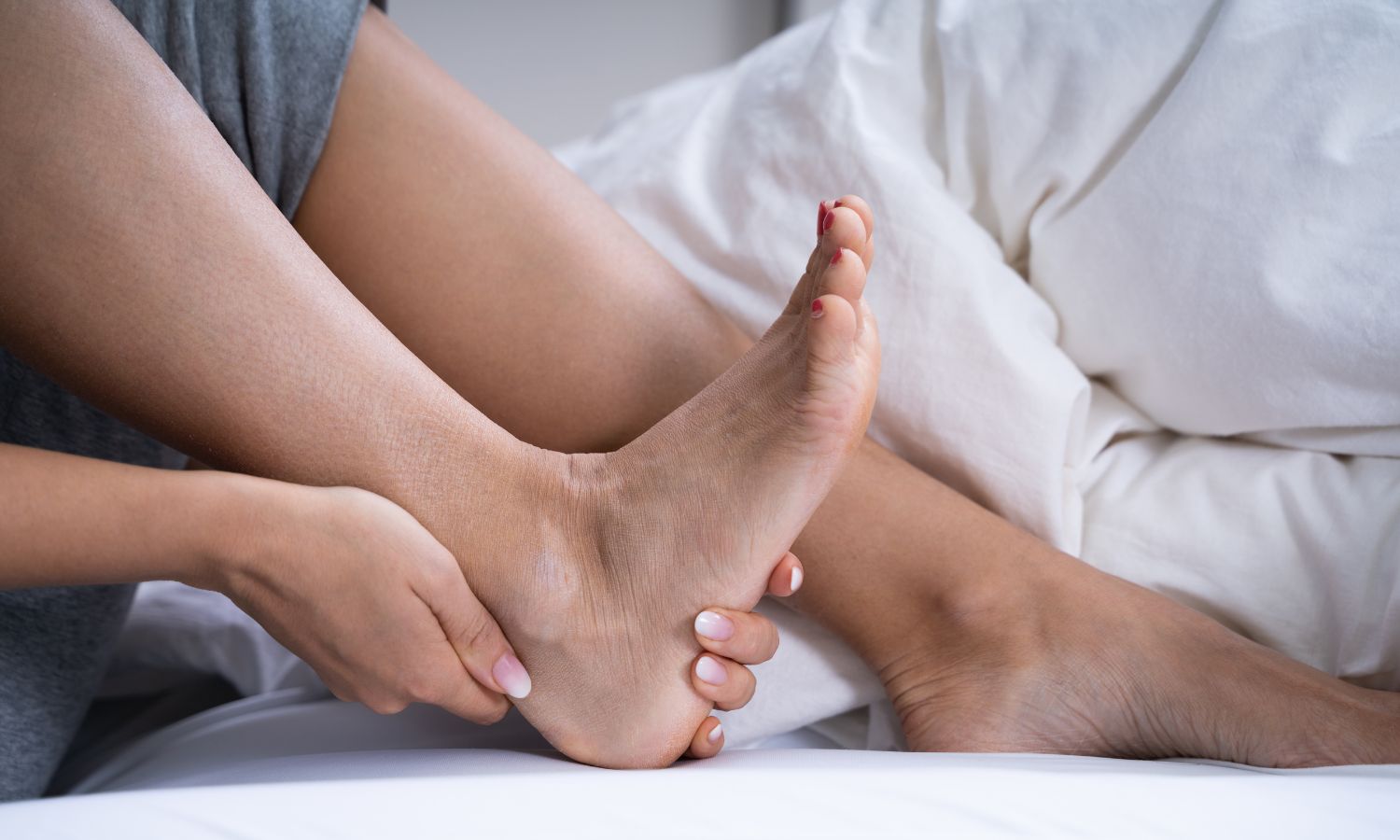
Our bodies are designed to support all our physical activity. But when the stress gets to be too much, tissues can tear or be damaged, leading to inflammation. This is true of a specific heel pain caused by what is called Plantar Fasciitis.

Connecting your heel to the front of your foot, the plantar fascia is a ligament running the length of the bottom of the foot. It helps support the arch. When strain leads to inflammation of the plantar fascia, it stiffens and causes pain in the heel. Pain may appear most severe when the foot is in a long period of rest, taking some time to subside with some walking, or after an exercise session.

What puts you at risk of plantar fasciitis?

  • High arches or flat feet
  • Regular high impact activity, like running
  • Career which requires standing on a hard surface for an extended amount of time (ie. nurses, factory workers)
  • Obesity
  • Tight calf muscles

How is plantar fasciitis treated?

Luckily, majority of those who suffer with plantar fasciitis can find relief through non-surgical treatment options, including:

  • Eliminating activities that are contributing to the inflammation. Allowing your foot the proper amount of time to heal is important, in fact, your doctor may recommend a walking boot to help facilitate the rest.
  • Icing the bottom of your foot a few times a day will help reduce inflammation.
  • Nonsteroidal anti-inflammatory drugs (NSAIDs) like ibuprofen will ease the pain.
  • Specific stretches to elongate the calf muscles will assist in releasing the stress on the plantar fascia. Your doctor may recommend you see a physical therapist who can work with you on a specific exercise program.
  • The proper footwear to reduce the stress on the bottom of the foot is recommended, along with orthotic inserts like heel pads.

Other treatments your orthopedic specialist may recommend include cortisone injection, casting, or even surgery, which is visited only when non-surgical treatments have shown no improvement.

If you’re suffering with heel pain, reach out to the orthopedic specialists at NEOSM for a consultation to plan your route to recovery.

Source: OrthoInfo

Hydration and Joint Pain

It’s no secret that drinking water is a huge part of maintaining optimal health. There are many signs that you may be dehydrated, but one you may not think of is how your joints feel. Here’s how hydration and joint pain are linked.

  • Cartilage Function

Your body’s joints – your knees, elbows, hips – are up to 80% cartilage. The main job of cartilage is to reduce the friction between the bones while the joint moves.  Water plays a crucial part in helping cartilage perform its duty by supporting its structure.

  • Eliminating Toxins

Drinking an adequate amount of water daily flushes out toxins from your body. Toxins can cause inflammation – and in the joints, inflammation means pain. It can also worsen symptoms of arthritis.

  • Healing from Injury

By keeping your ligaments, tendons and muscles pliable, proper hydration is key in recovering from injury or surgery.


Tips to increase your daily water intake:

  • Always have reusable water bottle nearby. Be sure to sip throughout the day
  • Avoid caffeine and alcohol which can dehydrate the body
  • Eat fruits and vegetables rich in water-content like cucumbers and watermelon

These tips will help keep minor dehydration at bay, but severe dehydration can be a serious condition, therefore it’s important to seek medical help if symptoms continue or worsen. For joint pain that interferes with your daily activities, call the specialists at NEOSM for a consultation.

Pop Quiz: Test Your Orthopedic Knowledge

How about a pop quiz? Orthopedic fun-facts, safety tips… how do you think you’ll do answering these questions? Let us know how you do! (answers at the bottom of the page)

*Here’s a tip – all the answers can be found in our News & Blog posts! 

1. Which of these should you NOT do when in a cast?

A. Elevate as needed

B. Wash the cast with soap and water

C. Keep it clean

D. Have people sign it

2. TRUE or FALSE: Tommy John is a tendon in the elbow.

3. Bending your head down 45-60% can put as much as XX lbs of force on your upper spine.

A. 30 lbs

B. 60 lbs

C. 75 lbs

D. 90 lbs

4. ______ is responsible for over 2 million fractures per year

Arthritis OR Osteoporosis

5. What should you bring with you to your orthopedic appointment?

A. Insurance card

B. List of medications or supplements

C. Questions

D. All of the above

6. Aside from calcium, which vitamin is essential for bone health?

A. Vitamin A

B. Vitamin B

C. Vitamin C

D. Vitamin D

7. According to Dr. Ilan, is cracking your knuckles bad?

A. Yes

B. No

C. No, but just don’t do it around him.

8. TRUE OR FALSE: People hurt themselves cutting avocados so often that there’s a name for it.


ANSWERS

  1. B. You should always try to keep your cast dry. We share more cast care tips in this post.
  2. False. Tommy John surgery is named for the famous pitcher it was first performed on. Here’s more about it.
  3. B. Looking down at your computer or phone puts a lot of pressure on your neck. We explain in our Text Neck article.
  4. Osteoporosis. Learn all about preventative measures here.
  5. D. Find out all you need to prepare for your appointment in our guide.
  6. D. Read all 5 keys to bone health.
  7. C. He doesn’t like it, but see why it’s ok.
  8. True. Yup, it’s called Avocado Hands and it could be pretty serious. Here’s our preferred way to prep our favorite add-on.

Muscle Cramps: Causes and Treatment

Sudden spasms in a muscle can take you off-guard and put you in sudden pain. They come upon instantly and unexpectedly. They may last between a few seconds or a few minutes. There’s a few reasons why a muscle cramp may creep up on you:

Overuse

Strenuous activities or exercise can put a physical strain on your muscles.

Dehydration

When your body loses/uses more fluid than it takes in, buildup of toxins make muscles prone to spams.

Low Electrolyte Levels

Electrolytes like calcium and potassium are key to regulating muscle activity

Pregnancy

Changes in circulation and pressure on nerves increases the risk of muscle cramps for pregnant women.

What can you do at the onset of a muscle spasm? First, stop the activity that triggered the cramp and gently stretch the muscle while massaging the cramp. When muscles begin to tense, apply heat for relief. Be sure to hydrate and intake electrolytes-rich food or beverages like bananas or low-sugar sports drinks. To prevent cramps, always warm up before physical activity and stay hydrated.

When should you see a doctor? Though majority of cases are harmless, if muscle spasms become frequent and more severe, there may be an underlying issue. Contact our office to make an appointment with our specialists.

Source: OrthoInfo

Importance of Stretching at Your Desk

If you spend your day seated at work, you know that feeling when you first stand up after a long time at your desk. Your legs are tight, your back aches and your neck feels stiff. It’s easy to get caught up with your tasks, but taking breaks to relieve your muscles is so important for many reasons. Here’s why:

Promote Circulation

Without regular movement, our circulation slows down, which may present serious issues. Just a few minutes each hour to allow your blood flow to recalibrate can prevent them.

Improved Posture

When you’re engrossed in your work, it’s easy to begin to slouch unknowingly. Taking a break to stand will remind your body to practice good posture to prevent injuries.

Reduce Tension

Remaining in a seated position for a long time increases the tension in your neck, back, hip and leg muscles. By giving these muscle groups a chance to elongate releases this tension and commonly associated pain.

Mental Clarity

Breaks from work are not only good for the body, but good for focus and mood. Stepping away from your desk to connect with your physical self has been shown to increase productivity.

Stretches to Consider

Here are some stretches to try the next time you take a body-health break at work.

  • Hands/Arms – Extend your arms out in front of you, palms facing down. Move your hands up then down. Repeat with palms facing up.
  • Shoulders – Cross your arms across your chest, alternating arms top and bottom
  • Neck – Gently roll your head clockwise, then counterclockwise
  • Back – Interlace your fingers and stretch your arms out in front of you.
  • Hip – Seated, cross one leg over the other and rotate your torso in the direction of the top leg. Repeat on opposite side.
  • Hamstrings – Standing, cross one leg over the other. Bend from your hip towards your toes. Repeat with opposite leg.
  • Ankles – Seated or standing, lift one leg off the ground and circle your ankle clockwise, then counterclockwise. Repeat on other side.

The specialists at NEOSM are here to help you live your best life. Prevention is the key to maintaining good health, so remember to keep moving throughout the day to keep your body in tip-top shape!

All about Achilles

You’ve heard people reference ‘Achilles’ when referring to someone’s weak spot. It comes from the Greek mythology stories of the hero of the Trojan War, Achilles, whose body was invincible except for the back of his heel, where he was most vulnerable. A nod to the legends, the tendon connecting the heel to the calf has been named after this figure, but the tendon itself is stronger than you’d think.

Function of the Achilles Tendon

The largest and strongest tendon of the body, the Achilles tendon (also called the calcaneal tendon) facilitates walking by anchoring the calf muscle to the heel bone, allowing the heel to lift. Activities like running and jumping require the functions of the Achilles which withstands a great amount stress and movement. It is a true workhorse of the human body.

Achilles Issues & Treatment

Because of the importance of the Achilles tendon in every day movement, any issues can be debilitating. Some common syndromes of the Achilles and treatment are:

>Tendonitis

Caused mostly from overuse, tendonitis of the Achilles with present itself with pain in the back of the heel, especially when walking, and swelling or tenderness in the area. Essential in overuse, stress of the tendon causes small tears. Other causes include arthritis, obesity, wearing footwear without proper support, or foot issues, like flat feet. 

Treatment for tendonitis of the Achilles include rest to allow the small tears to heal along with ice therapy. Depending on the severity, anti-inflammatories may be prescribed and perhaps physical therapy. It’s most important to be patient with recovery and follow your doctor’s orders to avoid regression.

>Tear/Rupture

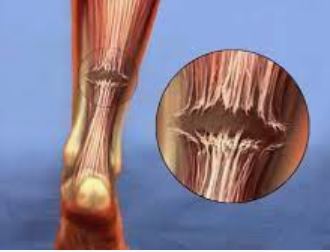
When the fibers of the Achilles tendon are separated, it is considered a tear or rupture, a serious condition as the tendon can no longer function as normal. How can you test if the tendon is torn? There is a simple test called the Thompson test. Laying face-down on a bed with feet extended past the edge, have someone squeeze the calf muscle. Doing so should cause the foot to point down (away from the head). If there is a tear, the foot will not move.

Tear of the Achilles
Credit: orthoinfo.aaos.org

Depending on the severity, treatment for a ruptured tendon would be similar to that of tendonitis, rest and ice, and likely a boot to immobilize the foot. In many cases, surgery would be deemed necessary in order to repair the tear, followed by physical therapy to strengthen the leg muscles to support the tendon. Full recovery is about four to six months.

As stated before, the Achilles tendon is an MVP of the human body and any injury can be painful and frustrating. The orthopedic specialists at NEOSM are here to care for you and help you keep living life to the fullest. Reach out if you need us!